Primordial Vision

Primordial Vision

Wendi Yan ‘23

History of Science, Visual Arts

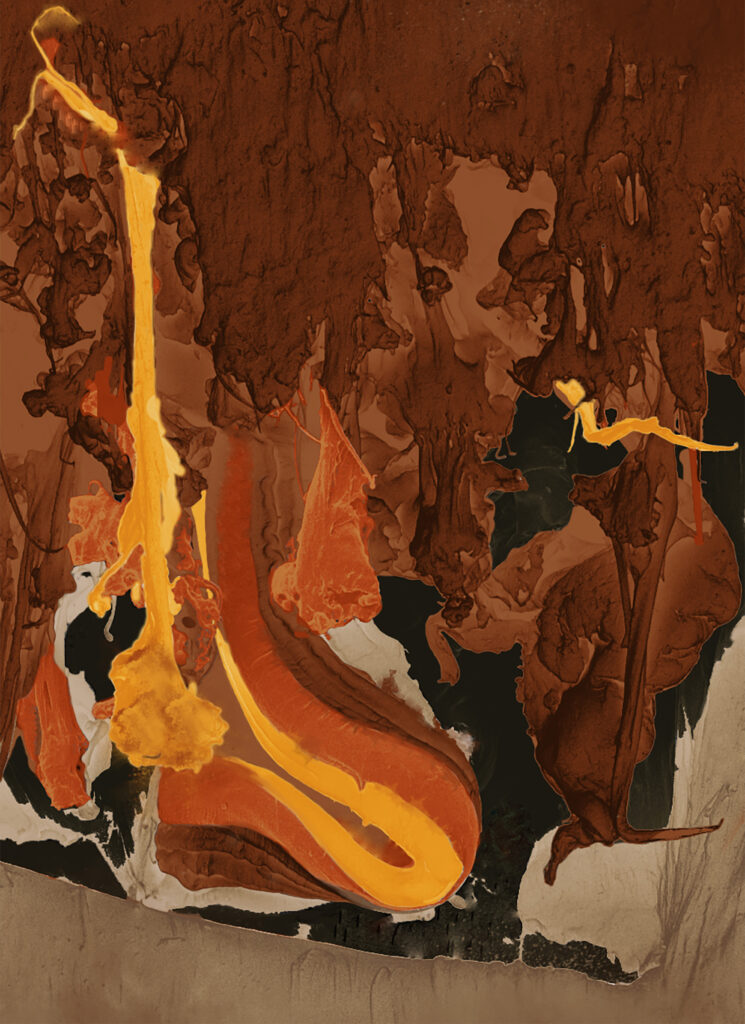
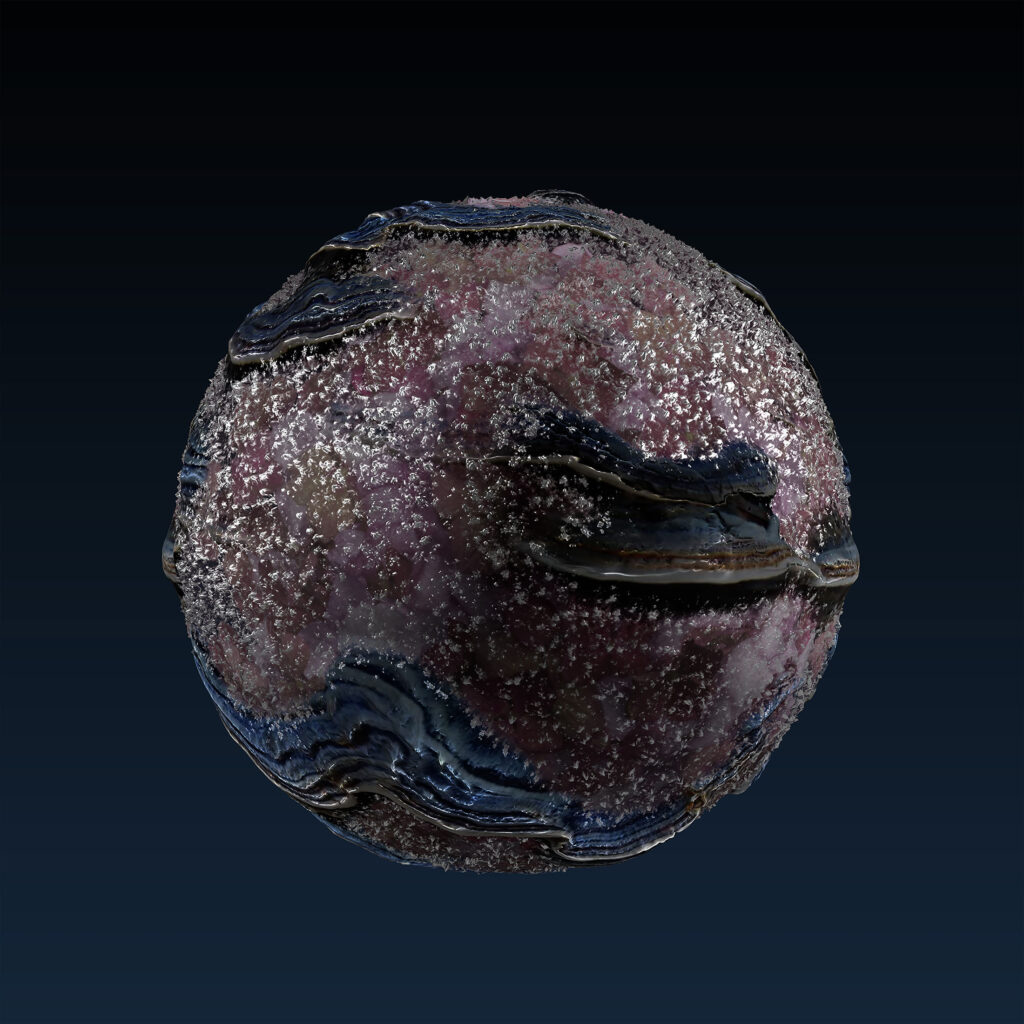
As a virtual hybrid of alchemy and 3D printing, Primordial Vision returns the viewer to a state of existence in which what lies within one’s visual field is alien, unknowable, and unknown. In this primordial state of vision, there is not yet a power dynamic between the perceiver and what is perceived. There is a suspension, a gap in the viewer’s processing, as these images take the viewer out of their current relationship with nature, technology and all materials.
Ice Ice Baby

Ice Ice Baby

Beth E Jarvie (staff)

Keller Center in the School of Engineering and Applied Science

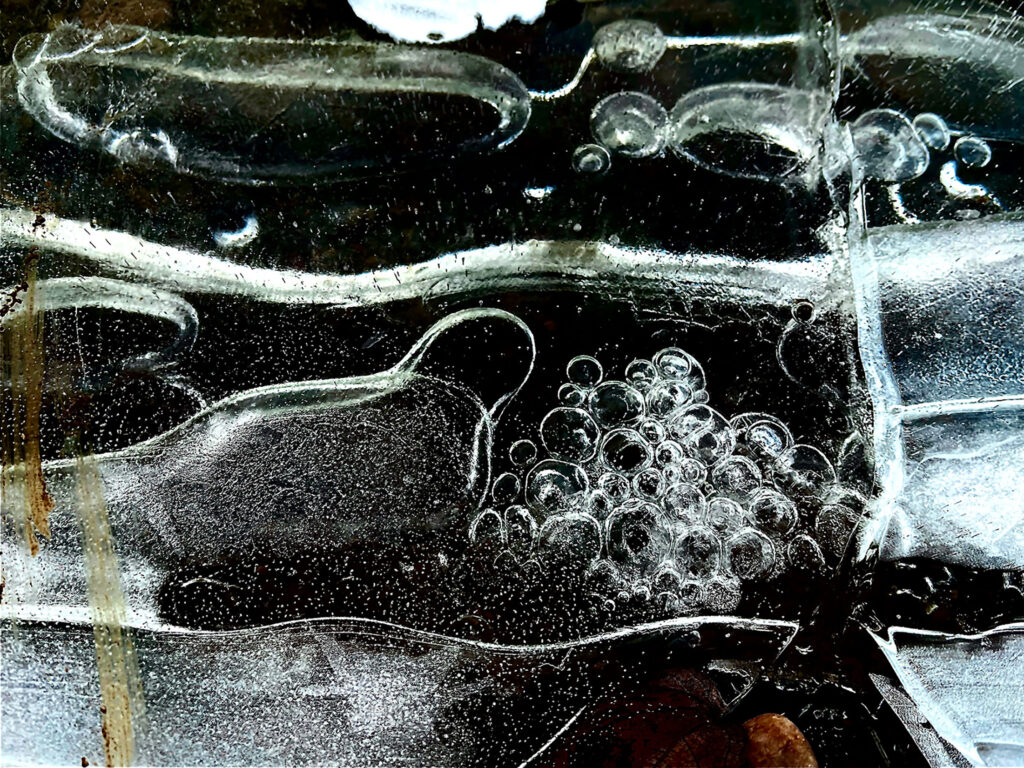
Ice ice baby, trapped just below the surface, halted in release, restrained in time, in condition, in transport, waiting for the thaw, deliverance, absolution, liberation.

I spied these beautiful orbs of gas floating under the ice on a chilly hike last December at Tyler State Park. A cold snap created some magnificent, jagged slabs of ice stacked along the edge of Neshaminy Creek. However, I was captivated by these spherical, graceful bubbles, which seemed so gentle and playful among the angular, cutting chunks of frozen creek water. I strive to focus attention on the overlooked and often unseen moments of beauty and art that exist within our sight but rarely garner the appreciation they deserve. This image represents one of those moments.

Caves in Microcosm

Caves in Microcosm

Sounak Mukherjee (graduate student)

Electrical and Computer Engineering

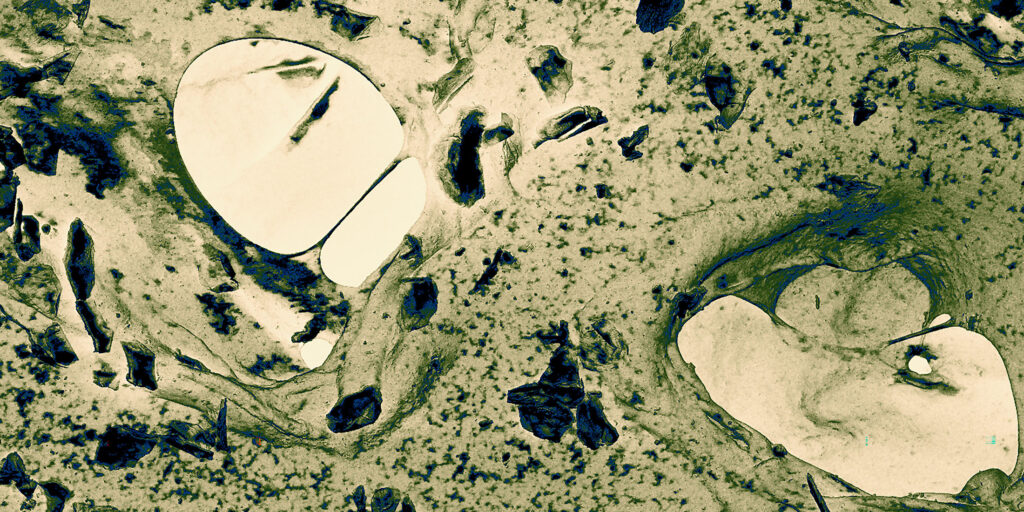
Carbon tapes are often used to mount samples for the scanning electron microscope (SEM) and other imaging tools. They are made up of carbon fiber mats infused with conductive adhesive. This is a false-colored SEM image of carbon tape captured by serendipity as I was scanning across my samples. It shows the micron-sized pores in the material and particles trapped on the adhesive. The image is 592 µm x 394 µm in dimension (about .59 millimeters) and was taken at the Imaging and Analysis Center at Princeton University.

(Jury Award) Dovetail

Dovetail

Lukasz Dusanowski (associate research scholar)

Electrical and Computer Engineering

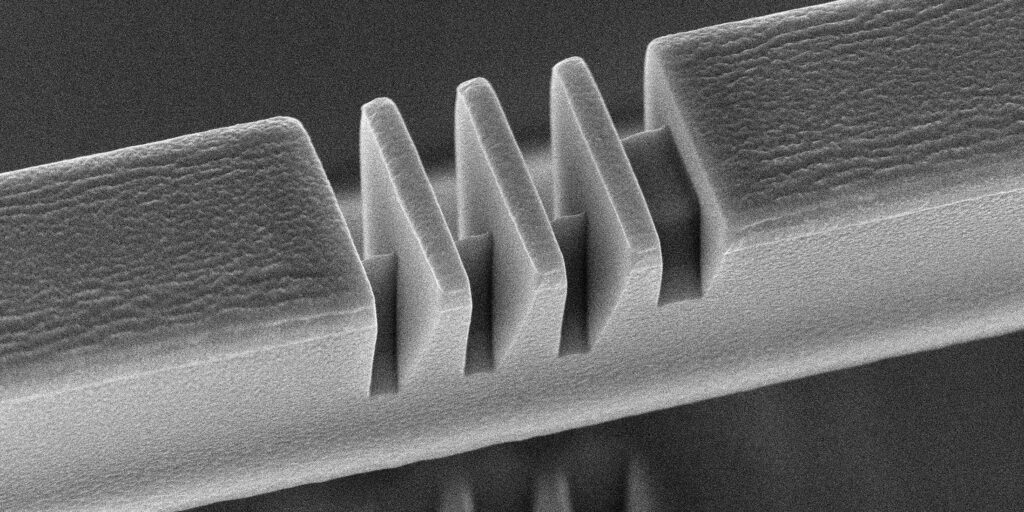
A silicon microbeam 100 times thinner than human hair, patterned with equally-spaced transverse cuts. This device was fabricated using focused ion beam milling, and the image was recorded using a scanning electron microscope.

North American Nebula & Pelican Nebula

North American Nebula & Pelican Nebula

Rupesh Varghese (staff)

Computer Science

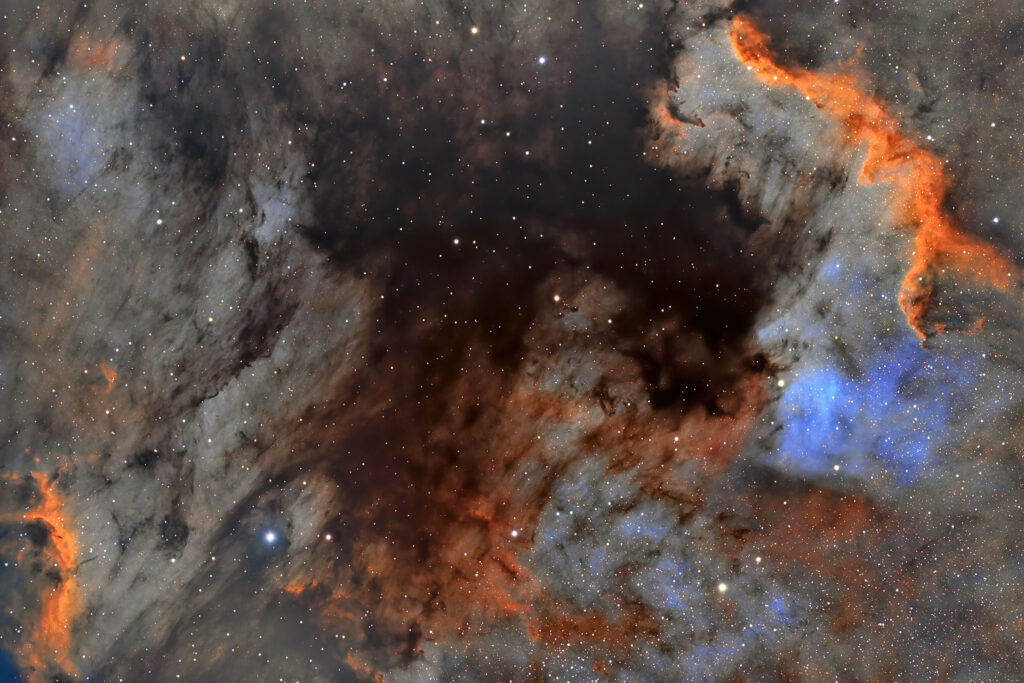
There are two targets in this image: the North American Nebula to the top right and the Pelican Nebula to the bottom right. This photo was taken under light-polluted skies in the suburbs of Philadelphia, an area that is rich in hydrogen-alpha, oxygen, and sulfur regions. I used corresponding filters to capture monochrome images and took a total of 244 images, which took around 16 hours. The images were stacked, and the filters were mapped to different red, green, and blue channels. I used a process called “pixel math” to create different color combinations and blend them together to highlight regions of these nebulae. The colors in these nebulae are an artistic choice I made to highlight different gases. The North American Nebula is a large, diffuse emission nebula located in the constellation Cygnus, about 1,600 light-years away from Earth. The nebula is named for its resemblance to the continent of North America in some photographs. It is a massive cloud of gas and dust, primarily composed of hydrogen, which is ionized by nearby stars, causing it to emit light in various colors. It is part of a larger molecular cloud complex in the region, which also includes the Pelican Nebula, which is located nearby. The nebula is home to numerous young stars, and ongoing star formation occurs often.

Polymer-Aided Permeation

Polymer-Aided Permeation

Christopher Browne (postdoctoral researcher), Sujit Datta (faculty)

Chemical and Biological Engineering, Andlinger Center for Energy and the Environment

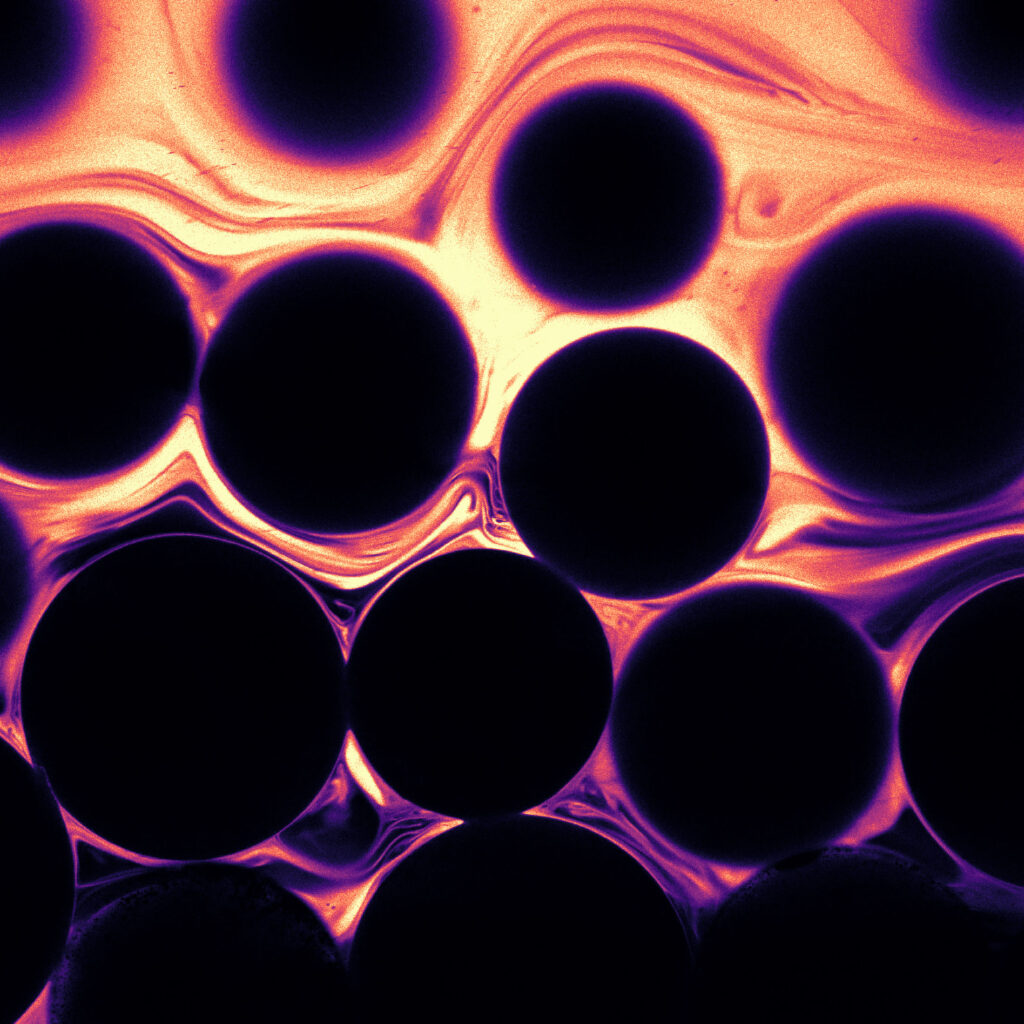
About half of U.S. water resources come from underground aquifers, a third of which are contaminated with hazardous industrial waste. Chemical solutes can be injected to degrade these contaminants in situ, but this remediation is generally limited by the inefficient permeation of these solutes into the tight pore spaces of the aquifer rock. By fabricating transparent model rocks, we can directly image the microscopic dynamics of this permeation with microscopy. In this image, a model solute (pink, top of image) permeates the space between solid spherical grains of the model rock (~1 mm diameter, black). With the aid of a dilute polymer additive, we observe dynamic bursts of chaotic flow (purple and orange swirls) help the solute permeate deeper (bottom of image) into the model aquifer rock.

Arteries and Veins of Earth’s Surface

Arteries and Veins of Earth’s Surface

Shashank Kumar Anand (graduate student), Amilcare Porporato (faculty)

Civil and Environmental Engineering, High Meadows Environmental Institute

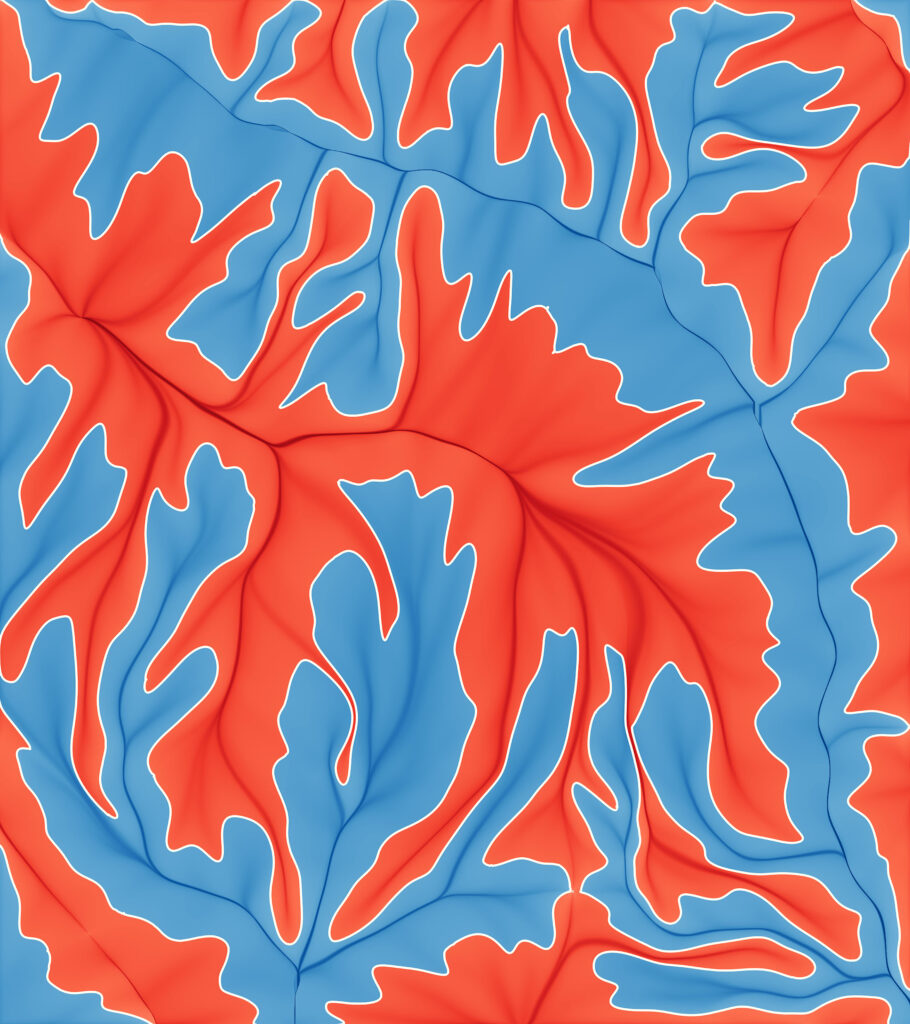
Sediment transport processes inscribe interlocked networks of ridges and valleys on Earth’s terrestrial surface. The submitted piece uses natural topography from South Carolina to illustrate this, with ridges depicted as the (red) arteries of the land surface that supply fresh sediments and valleys as the (blue) veins that carry deposited sediment out of the landscape. This viewpoint offers an intriguing parallel between landscape networks and the networks in the human cardiovascular system.

[Honorable Mention] Spirals of Knowledge

Spirals of Knowledge

Thomas Martin ‘26

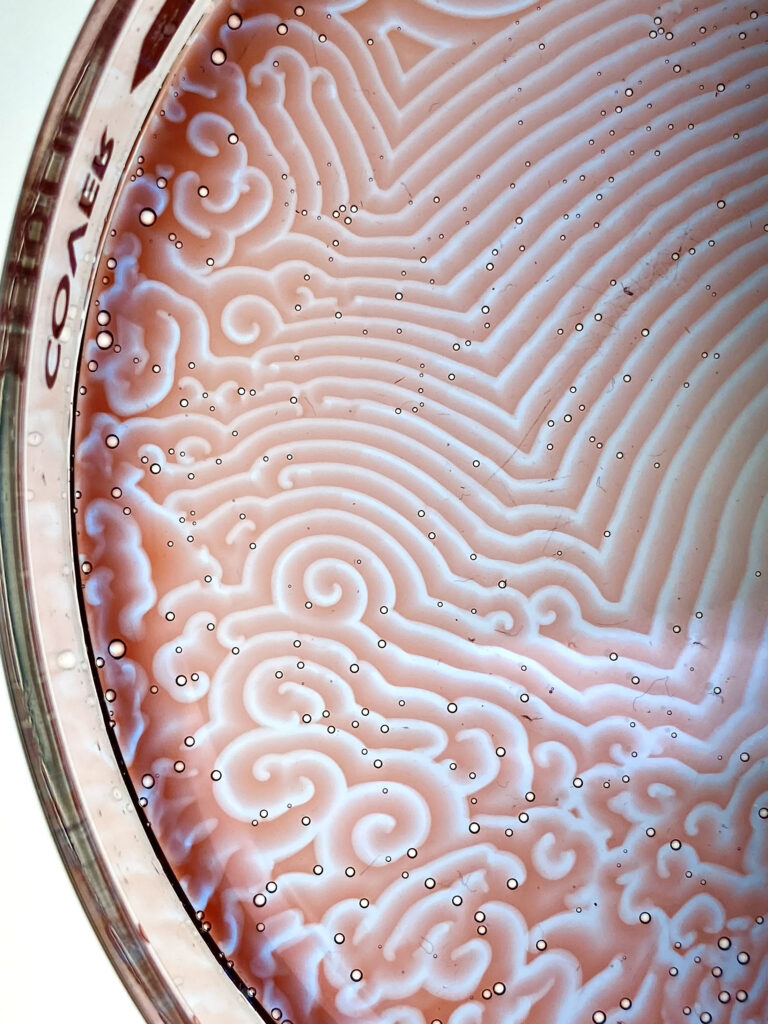
The Belousov-Zhabotinsky reaction is a unique oscillating chemical reaction that forms spirals, as seen in the image. A similar spiraling behavior has also been seen in the growth pattern of certain amoeba organisms. The reaction itself has been used to make a chemical Turing machine at Harvard that is able to recognize a certain language. These intriguing observations prompt the following question: “Could living organisms be utilizing chemical processes to store and encode knowledge?”

Growing Elastomeric Stalactites Using Interfacial Flows

Growing Elastomeric Stalactites Using Interfacial Flows

Barath Venkateswaran (graduate student), Lauren Dreier (graduate student), Trevor J. Jones (graduate student), Pierre-Thomas Brun (faculty)

Chemical and Biological Engineering, Architecture

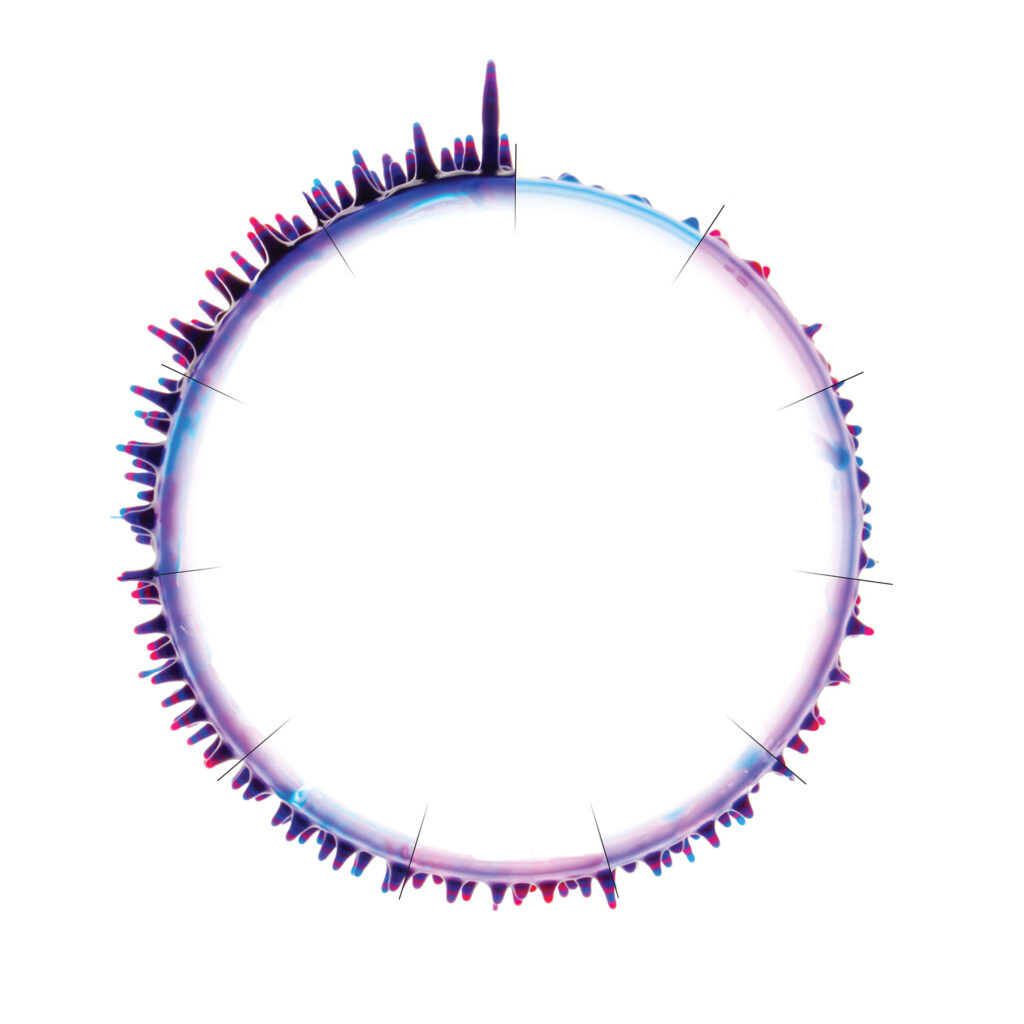
Instabilities are all around us in nature. One such instability is the Rayleigh-Taylor instability. This is seen in our system, where we coat a cylinder with a thin film of curable elastomer (elastic polymer) and spin it about its axis. The centrifugal forces act on the thin film and destabilize it, while the interfacial forces in the film will stabilize it by trying to minimize the exposed surface area. The interplay between these different forces spontaneously forms a self-organized array of cured drops on the cylinder surface. This process of coat-destabilize-cure can be repeated multiple times (shown in clockwise direction) to obtain stalactite-like elastomeric structures. Red and blue silicone dyes were alternated for visualization.

Fossilized Ancient Life Forms

Fossilized Ancient Life Forms

M. Shaharyar Wani (graduate student)

Mechanical and Aerospace Engineering, Princeton Materials Institute

This microscopic artwork represents ancient life forms fossilized in a stratified rock bed. It is a SEM (scanning electron microscope) image of carbon fiber-reinforced polymer-based composite. Mechanical testing unravels distinct wear mechanisms, revealing the role of carbon fibers in enhancing the mechanical properties of the composite material.